
Electrician
Becoming a Union Electrician in Atlanta; Inside the Pay, Benefits, and Protection of IBEW 613
Becoming a Union Electrician in Atlanta; Inside the Pay, Benefits, and Protection of IBEW 613
Become an Electrician in Georgia
IBEW Local 613 Apprenticeship & Careers
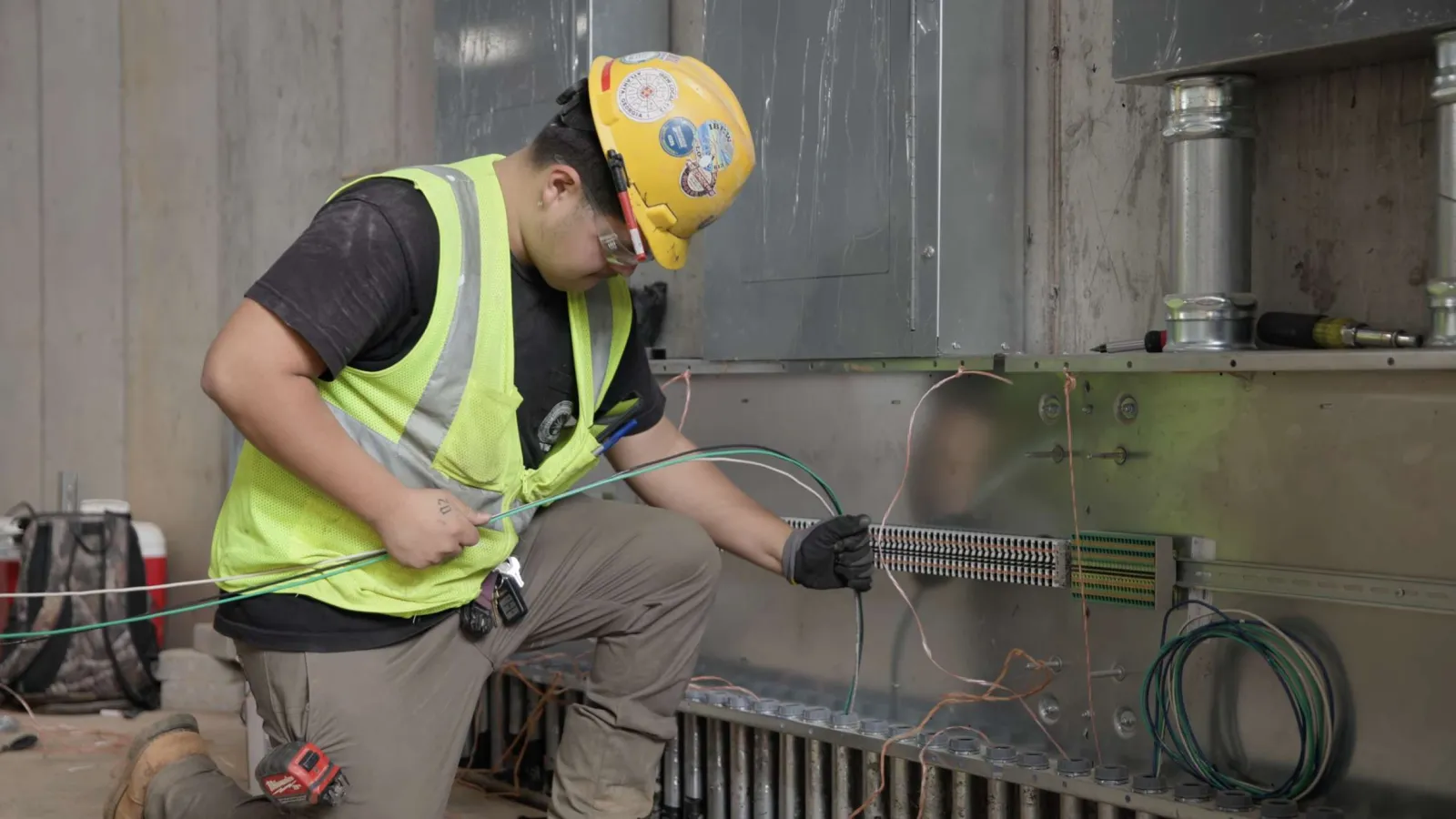
Electricians build
and maintain the electrical systems that power homes, hospitals, factories,
schools, and data centers. In Georgia, many electricians start their careers
through a union apprenticeship with the International Brotherhood of
Electrical Workers (IBEW) Local 613 in Atlanta.
If you enjoy problem
solving, working with your hands, and building things that people rely on every
day, becoming an electrician can provide a stable, high-paying career
without student debt.
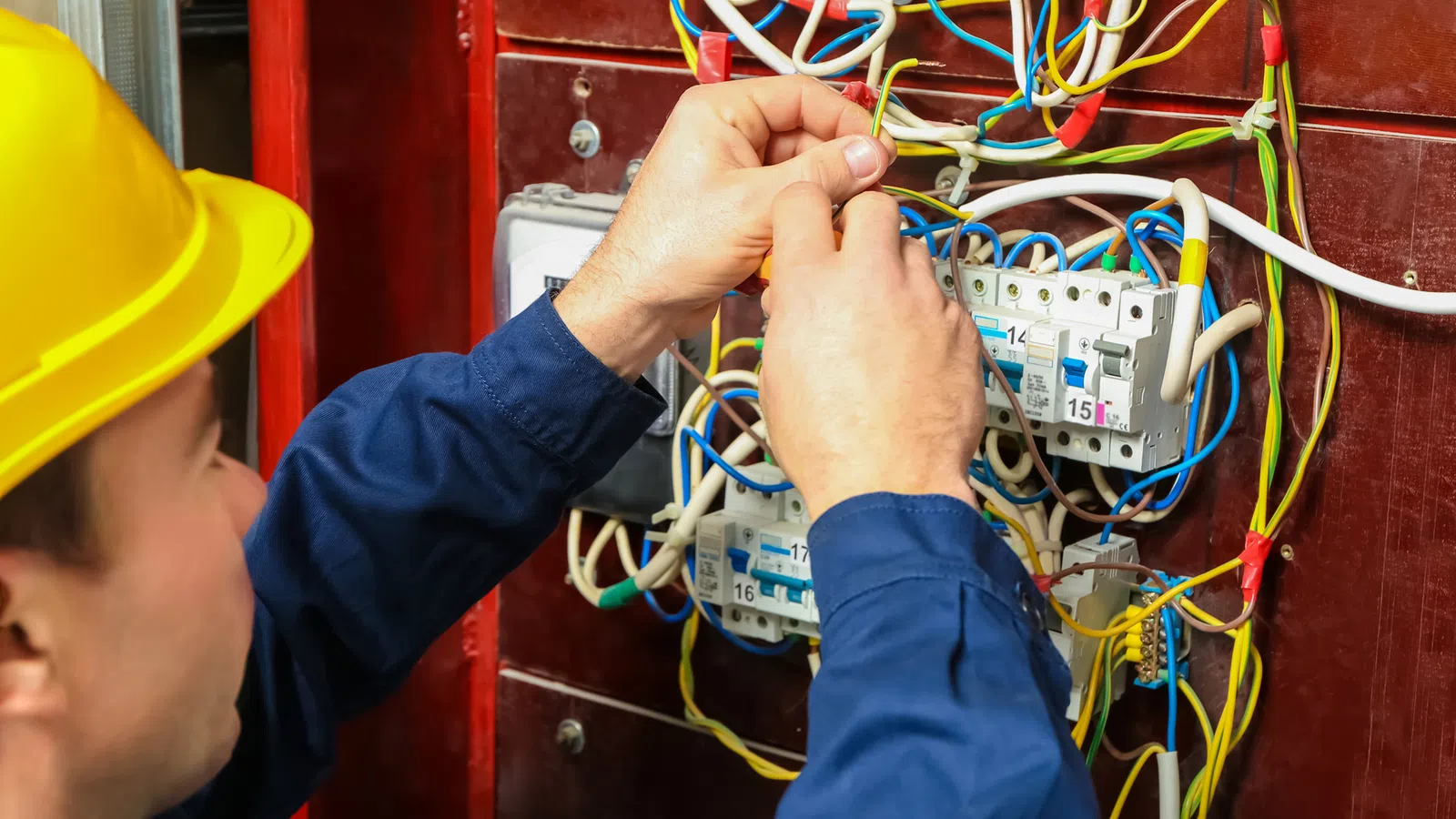
What Electricians Do
Electricians
install, maintain, and repair electrical systems that deliver power safely and
efficiently.
Their work includes:
• Installing wiring
in buildings
• Connecting electrical panels and circuit breakers
• Installing lighting systems
• Running conduit and cable
• Troubleshooting electrical problems
• Installing power for equipment and machinery
• Working on renewable energy systems like solar
Electricians must
understand electrical theory, safety procedures, and the National Electrical
Code.
Where Electricians Work
Electricians work on
a wide range of construction projects across Georgia, including:
• Commercial
buildings
• Hospitals and medical facilities
• Schools and universities
• Airports
• Data centers
• Manufacturing plants
• Stadiums and arenas
• Power infrastructure projects
Most electricians
work on active construction sites, but some specialize in maintenance
and service work after buildings are completed.
Example Projects Electricians Work On
Electricians in
Georgia help build and maintain projects like:
• Atlanta-area
hospitals and medical centers
• Data centers supporting major technology companies
• Airport expansions and transportation projects
• Large commercial office buildings
• Manufacturing plants and industrial facilities
• Schools and universities
Electricians are
involved in nearly every modern construction project, making this one of
the most in-demand skilled trades.
Electrician Apprenticeship Program
Most union
electricians begin their career through a registered apprenticeship program.
The IBEW Local
613 / Atlanta Electrical JATC apprenticeship combines:
• Paid on-the-job
training
• Classroom instruction
• Hands-on skills training
Apprentices earn a
wage while they learn and receive regular raises as they gain experience.
How Long the Apprenticeship Takes
Electrician
apprenticeship programs typically last:
5 years
During that time
apprentices complete:
• 8,000 hours of
on-the-job training
• 900 hours of classroom education
Training covers:
• Electrical theory
• Blueprint reading
• Safety standards
• Motor controls
• Programmable controls
• Electrical code
After completing the
program, apprentices become journeyman electricians.
Local Union for Electricians in Atlanta
International
Brotherhood of Electrical Workers (IBEW) Local 613
IBEW Local 613
represents thousands of electricians working across the Atlanta region and much
of North Georgia.
The union helps
members access:
• Apprenticeship
training
• Health insurance
• Retirement benefits
• Job opportunities
• Ongoing skills training
How To Apply for the Electrician Apprenticeship
To apply for the
apprenticeship program, contact the training center:
IBEW Local 613 /
Atlanta Electrical JATC
Website
https://www.ibew613.org
Phone
(404) 523-8107
Location
Atlanta, Georgia
Applicants typically
need:
• High school
diploma or GED
• Algebra coursework
• Valid driver's license
• Ability to pass an aptitude test
Why Choose a Career as an Electrician?
Electricians enjoy a
career that offers:
• Strong wages and
benefits
• Paid training instead of student debt
• Long-term job stability
• Opportunities to specialize
• Skills that are in high demand
Electricians are essential to modern infrastructure, and demand for skilled electrical workers continues to grow.