
Millwright
Millwrights: The Pros Who Keep Georgia's Plants Running
Millwrights: The Pros Who Keep Georgia's Plants Running
Become a Millwright in Georgia
Millwright Local 1263 Apprenticeship & Careers
Millwrights are
highly skilled tradespeople who install, maintain, and repair heavy industrial
machinery used in manufacturing plants, power plants, and large mechanical facilities.
Their work ensures that the machines powering modern industry operate safely,
efficiently, and reliably.
In Georgia, many
millwrights begin their careers through a union apprenticeship with Millwrights
Local 1263, which represents skilled industrial mechanics across the
region.
If you enjoy
mechanical work, precision installation, and solving complex equipment
problems, becoming a millwright can provide a stable, high-paying career with
paid training and strong union benefits.
What Millwrights Do
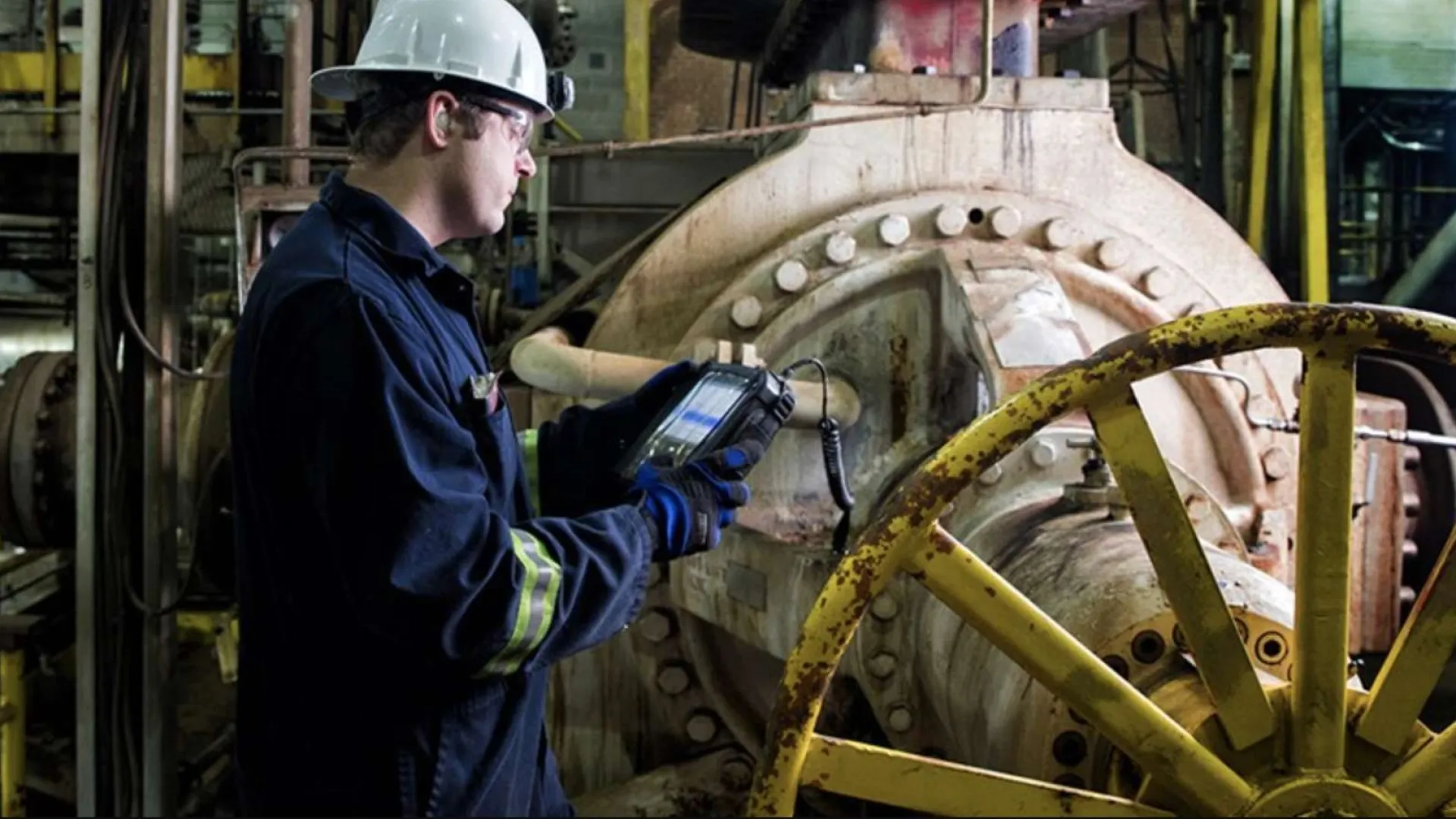
Millwrights install,
align, maintain, and repair large industrial machines used in factories and
power facilities.
Their work includes:
• Installing heavy
industrial machinery
• Aligning motors, turbines, and rotating equipment
• Reading mechanical blueprints and technical diagrams
• Disassembling and repairing industrial equipment
• Installing conveyor systems and production machinery
• Using precision measuring tools and laser alignment equipment
• Performing equipment maintenance during plant shutdowns
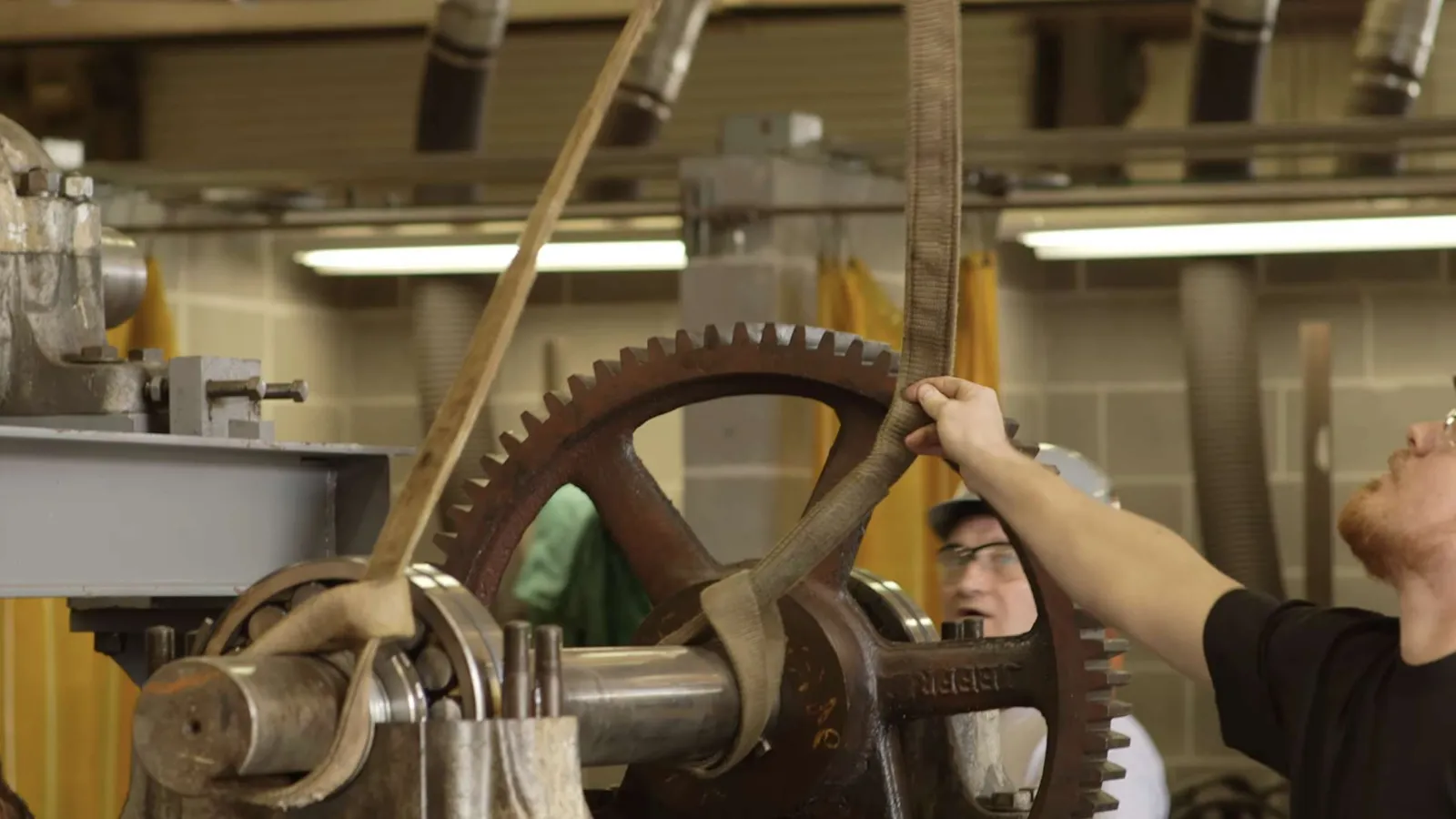
Millwrights must
understand mechanical systems, precision measurements, and safe rigging
practices when moving and installing large machinery.
Where Millwrights Work
Millwrights
typically work in industrial and manufacturing environments throughout Georgia,
including:
• Manufacturing
plants
• Power generation facilities
• Automotive and aerospace factories
• Pulp and paper mills
• Steel and metal production facilities
• Industrial processing plants
• Large distribution and logistics facilities
Much of their work
occurs during major equipment installations or maintenance shutdowns when
machines must be repaired or replaced.
Example Projects Millwrights Work On
Millwrights help
install and maintain critical equipment in facilities such as:
• Manufacturing
plants and assembly lines
• Power generation facilities
• Industrial production facilities
• Pulp and paper mills
• Automotive manufacturing plants
• Food processing plants
These machines power
the production systems that support modern industry.
Millwright Apprenticeship Program
Most millwrights
begin their careers through a registered apprenticeship program.
The Millwrights
Local 1263 apprenticeship program includes:
• Paid on-the-job
training
• Classroom instruction
• Hands-on mechanical training
Apprentices earn
wages while learning the trade and receive regular pay increases as their
experience grows.
How Long the Apprenticeship Takes
Millwright
apprenticeship programs typically last:
4 years
During that time
apprentices complete:
• Thousands of hours
of on-the-job training
• Classroom and technical instruction
Training includes:
• Mechanical systems
installation
• Precision alignment techniques
• Blueprint reading
• Rigging and material handling
• Welding and fabrication basics
• Industrial safety procedures
After completing the
program, apprentices become journeyman millwrights.
Local Union for Millwrights in Georgia
Millwrights Local
1263
Millwrights Local
1263 represents millwrights working across Georgia and the southeastern United
States.
Members gain access
to:
• Apprenticeship
training
• Health insurance
• Retirement benefits
• Job opportunities at industrial facilities
• Ongoing skills training and certifications
How To Apply for the Millwright Apprenticeship
To apply for the
apprenticeship program, contact the union training program:
Millwrights Local
1263
Website
https://southernstatesmillwrights.org
Phone
(404) 696-6295
Location
Atlanta, Georgia
Applicants typically
need:
• High school
diploma or GED
• Mechanical aptitude
• Valid driver's license
• Ability to perform physical work
Why Choose a Career as a Millwright?
Millwrights enjoy
careers that offer:
• Strong union wages
and benefits
• Paid apprenticeship training
• Highly specialized mechanical skills
• Opportunities to work in major industrial facilities
• Long-term demand in manufacturing and energy industries
Millwrights play a critical role in installing and maintaining the machines that power modern industry.