
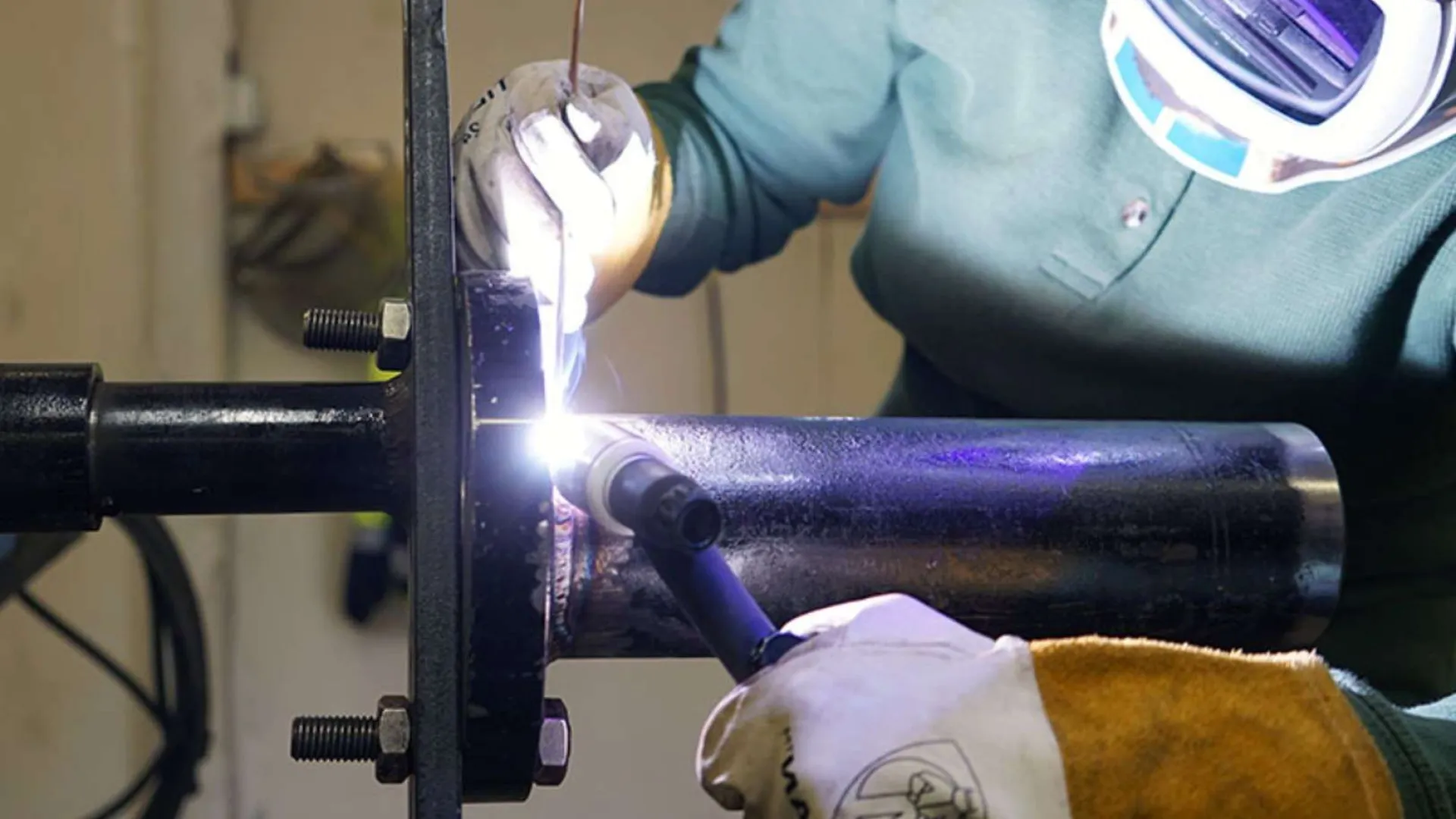
Pipefitter
Built to Last: Plumbing and Pipe Fitting Careers in Georgia
Built to Last: Plumbing and Pipe Fitting Careers in Georgia
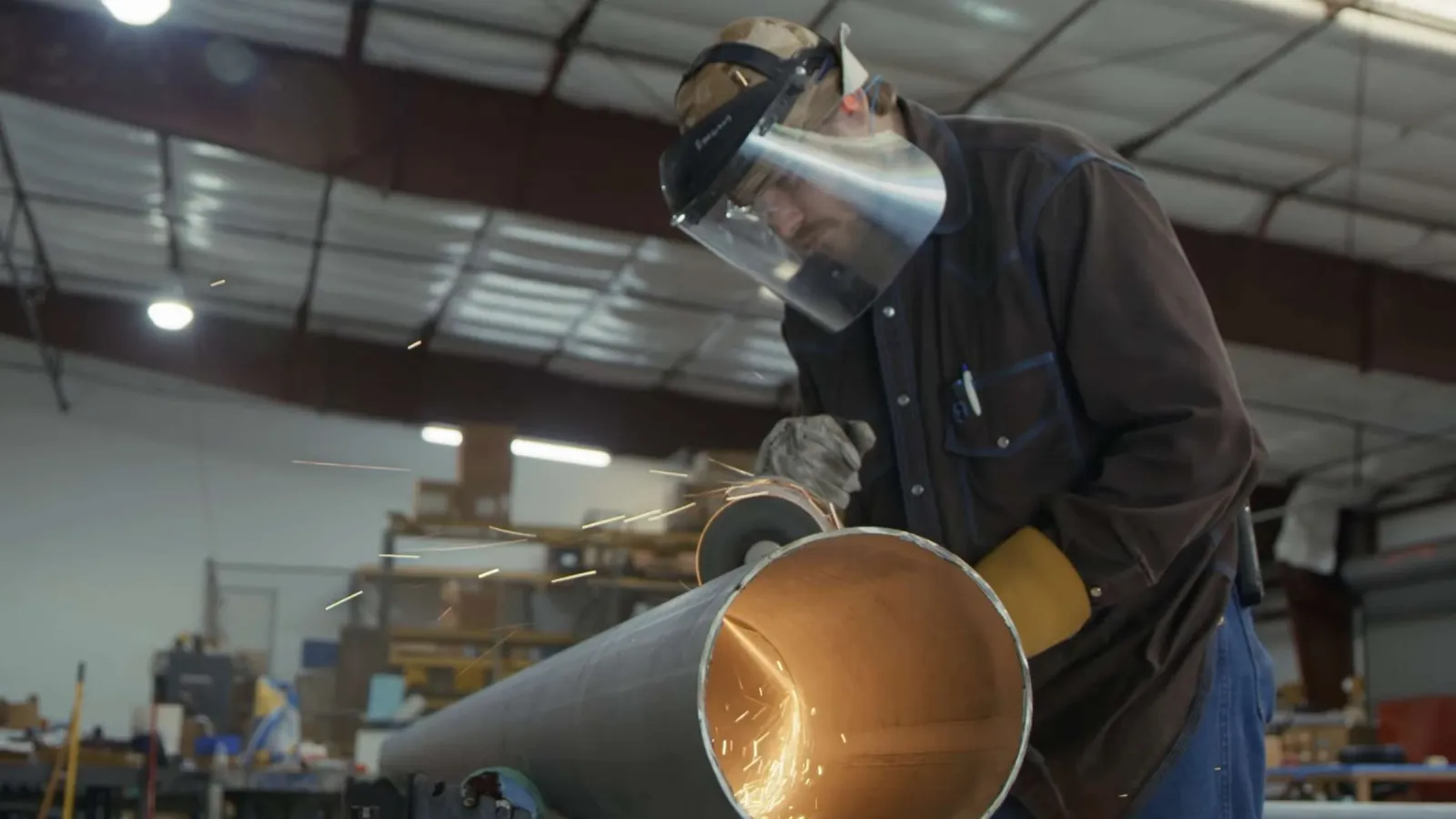
Become a Pipe Fitter in Georgia
UA Local 72 Apprenticeship & Careers
Pipe fitters install
and maintain piping systems that move steam, chemicals, fuel, and other
industrial fluids through buildings and industrial facilities. These systems
are essential for power plants, manufacturing facilities, hospitals, and large
mechanical systems.
In Georgia, many
pipe fitters begin their careers through a union apprenticeship with United
Association (UA) Local 72 in Atlanta.
If you enjoy
mechanical work, welding, and building complex systems that power modern
industry, becoming a pipe fitter can provide a high-paying career with strong
benefits and paid training.
What Pipe Fitters Do
Pipe fitters install
and maintain high-pressure piping systems used in industrial and commercial
facilities.
Their work includes:
• Installing
high-pressure piping systems
• Fabricating and fitting industrial pipe
• Welding and brazing pipe connections
• Installing valves, pumps, and mechanical equipment
• Reading mechanical blueprints and piping diagrams
• Testing piping systems for leaks and pressure
• Maintaining piping systems in industrial plants
Pipe fitters often
work with steam, fuel, and chemical systems that require precision installation
and strict safety standards.
Where Pipe Fitters Work
Pipe fitters work on
a wide variety of construction and industrial projects throughout Georgia,
including:
• Manufacturing
plants
• Power generation facilities
• Chemical processing plants
• Industrial facilities
• Data centers and mechanical plants
• Hospitals and medical facilities
• Universities and large campuses
• Commercial mechanical systems installations
Their work is
critical to the operation of large mechanical and industrial systems.
Example Projects Pipe Fitters Work On
Pipe fitters help
build and maintain projects such as:
• Power plants and
energy facilities
• Manufacturing and industrial plants
• Data centers and technology facilities
• Hospital mechanical systems
• Large commercial mechanical rooms
• Industrial processing facilities
These piping systems
move the steam, gas, and fluids that keep industrial facilities running.
Pipe Fitter Apprenticeship Program
Most pipe fitters
begin their careers through a registered apprenticeship program.
The UA Local 72
apprenticeship program includes:
• Paid on-the-job
training
• Classroom instruction
• Hands-on pipe fabrication and welding training
Apprentices earn
wages while learning the trade and receive regular raises as they gain
experience.
How Long the Apprenticeship Takes
Pipe fitter
apprenticeship programs typically last:
5 years
Training includes:
• Pipe fabrication
and installation
• Welding and brazing techniques
• Blueprint reading and piping diagrams
• Mechanical systems
• Rigging and material handling
• Safety procedures and codes
After completing the
program, apprentices become journeyman pipe fitters.
Local Union for Pipe Fitters in Atlanta
United Association
Local 72
UA Local 72
represents pipe fitters, plumbers, and HVAC technicians working throughout the
Atlanta region.
Members gain access
to:
• Apprenticeship
training
• Health insurance
• Retirement benefits
• Job opportunities on major construction projects
• Advanced training and certifications
How To Apply for the Pipe Fitter Apprenticeship
To apply for the
apprenticeship program, contact the training center:
UA Local 72 Training
Center
Website
https://ua72.org
Phone
(404) 373-5778
Location
Atlanta, Georgia
Applicants typically
need:
• High school
diploma or GED
• Algebra coursework
• Valid driver's license
• Ability to pass an aptitude test
Why Choose a Career as a Pipe Fitter?
Pipe fitters enjoy
careers that offer:
• Strong union wages
and benefits
• Paid apprenticeship training instead of college debt
• Opportunities to work on large industrial and mechanical systems
• Specialized welding and fabrication skills
• Long-term demand in energy, manufacturing, and construction industries
Pipe fitters help build and maintain the mechanical systems that power modern infrastructure.