
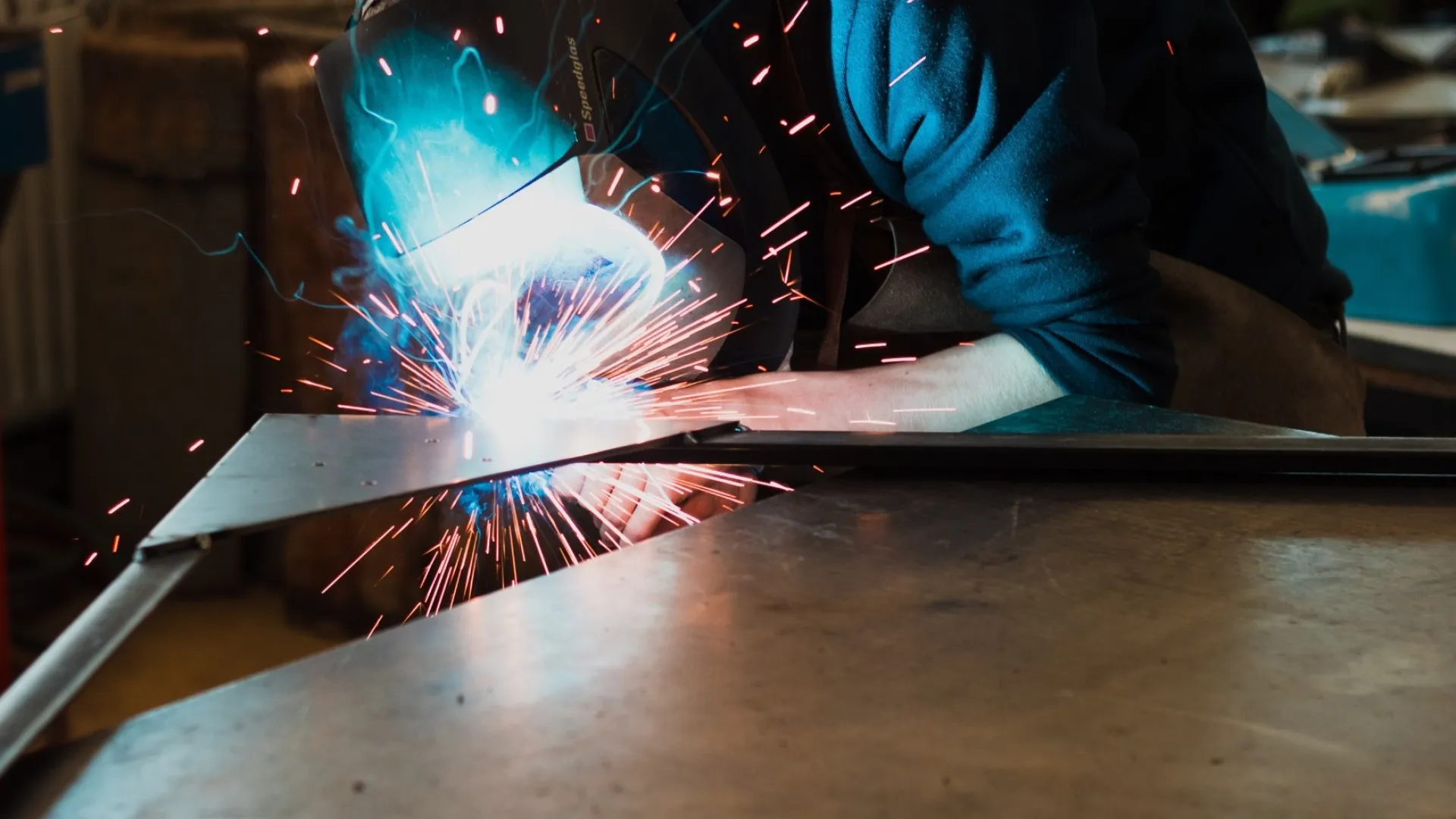
Welder
Welding: Sheet Metal Training in Georgia: Skills, Tools & Testing Equipment Explained
Welding: Sheet Metal Training in Georgia: Skills, Tools & Testing Equipment Explained
Become a Welder Through a Union Apprenticeship
Welding Training in the Skilled Trades
Welding is one of
the most valuable and versatile skills in the construction and industrial
trades. Skilled welders build and repair everything from structural steel and
pipelines to industrial equipment and mechanical systems.
In Georgia, welding
is taught as part of several union apprenticeship programs across the
building trades. These programs allow workers to earn while they learn,
gaining hands-on welding experience while working on real construction and
industrial projects.
If you enjoy working
with metal, building strong structures, and mastering technical skills, a
career involving welding can offer strong wages, paid training, and long-term
job stability.
What Welders Do
Welders join metal
components together using high heat and specialized equipment to create strong,
permanent connections.
Their work includes:
• Welding structural
steel
• Welding industrial piping systems
• Fabricating metal components
• Repairing heavy equipment and machinery
• Installing steel reinforcement and structural systems
• Cutting and shaping metal materials
• Reading blueprints and welding diagrams
Welders must
understand different welding techniques, materials, and safety procedures to
ensure strong, reliable welds.
Where Welders Work
Welders work across
many industries and construction projects throughout Georgia, including:
• Commercial
construction projects
• Manufacturing facilities
• Power plants and energy infrastructure
• Bridges and transportation infrastructure
• Industrial plants and refineries
• Shipyards and heavy industry
• Mechanical systems installations
• Structural steel construction
Because welding is
used in many trades, welders often work on some of the largest construction and
industrial projects in the region.
Construction Trades That Use Welding
Welding is a core
skill used across several skilled trades. Many union apprenticeship programs
include welding as part of their training.
Examples include:
Pipe Fitters - UA Local 72
Pipe fitters weld
high-pressure piping systems used in power plants, industrial facilities, and
mechanical systems.
Ironworkers - Local 387
Structural
ironworkers weld steel beams and structural components used in buildings,
bridges, and stadiums.
Sheet Metal Workers
Sheet metal workers
fabricate and weld metal ductwork, industrial systems, and building components.
Boilermakers
Boilermakers perform
heavy welding on boilers, pressure vessels, tanks, and industrial equipment.
Millwrights
Millwrights may
perform welding during machinery installation and industrial equipment repairs.
Mechanical Trades
Many other
construction trades also use welding skills when installing or repairing metal
systems.
Welding Apprenticeship Training
Instead of attending
a traditional welding school, many workers learn welding through union
apprenticeship programs in the construction trades.
These programs
combine:
• Paid on-the-job
training
• Classroom instruction
• Hands-on welding practice
• Industry certifications
Apprentices earn
wages while they learn and receive regular raises as their skills improve.
Training often
includes:
• Stick welding
(SMAW)
• MIG welding (GMAW)
• TIG welding (GTAW)
• Flux-core welding (FCAW)
• Blueprint reading
• Welding safety and certification testing
How Long Welding Training Takes
Welding training is
typically included as part of trade apprenticeship programs that last:
3-5 years
During that time
apprentices complete:
• Thousands of hours
of on-the-job training
• Classroom instruction and welding lab training
Many apprentices
graduate with multiple welding certifications recognized across the
construction and manufacturing industries.
Apprenticeship Programs in Georgia That Include Welding
In the Atlanta and
North Georgia region, welding training is available through apprenticeship
programs with several building trades unions.
These include:
• Pipe Fitters - UA
Local 72
• Ironworkers - Local 387
• Boilermakers
• Sheet Metal Workers
• Millwrights
• Other skilled trades within the Atlanta North Georgia Building Trades
Unions
Each program
provides paid training, benefits, and a pathway to a long-term skilled trade
career.
Why Choose a Career Involving Welding?
Careers that use
welding offer many advantages:
• Strong wages and
benefits
• Paid apprenticeship training
• Highly transferable technical skills
• Opportunities across multiple industries
• Long-term demand in construction and manufacturing
Because welding skills are used across many trades, workers with welding experience often have a wide range of career opportunities.